The Future of IT Help Desk Support in UK Businesses
Technology has moved from being a support function to becoming the operational backbone of modern UK businesses. Communication platforms, financial systems, customer relationship management tools, cybersecurity controls, cloud infrastructure, and compliance frameworks are now digitally interconnected. As this complexity increases, expectations surrounding technical support are evolving.
The future of IT Help Desk support is no longer centred solely on reactive troubleshooting. It is defined by predictive intelligence, automation, cybersecurity integration, compliance alignment, strategic advisory capability, and scalable governance frameworks. For UK small and medium-sized enterprises, the transformation of technical support will play a decisive role in operational resilience and competitive stability.
A forward-looking IT Help Desk must evolve beyond traditional ticket resolution. It must function as a structured operational risk management partner capable of protecting continuity, reducing disruption, and supporting long-term business growth.
From Reactive Support to Strategic Governance
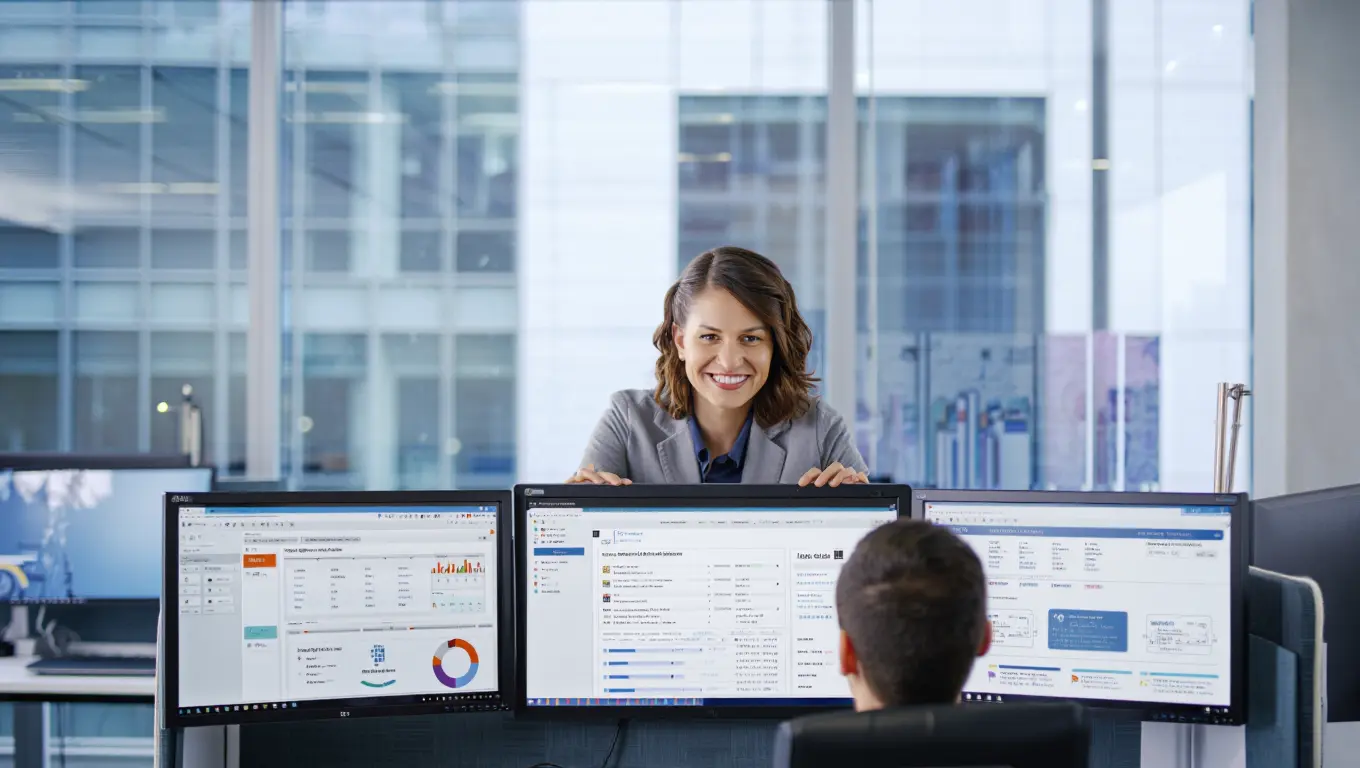
Historically, IT Help Desk services were largely reactive. The future model shifts toward proactive monitoring, predictive risk detection, automated remediation, structured escalation governance, and continuous optimisation. Rather than simply fixing problems, modern support environments focus on preventing them.
The Expanding Complexity of UK Business Infrastructure
Several trends are driving this transformation. Remote access, cloud collaboration, and distributed teams require ongoing governance. Microsoft 365 and other cloud-hosted applications introduce configuration complexity and shared responsibility security models. Cyber threats targeting UK SMEs have grown in frequency and complexity, necessitating that the future IT Help Desk integrate security awareness directly into incident management frameworks.
Artificial Intelligence and Predictive Analytics
AI will play a central role in future support environments. Predictive analytics allow intervention before users are affected by detecting abnormal login behaviour, identifying disk storage growth trends, or monitoring network traffic patterns. Intelligent ticket triage will automatically categorise and prioritise tickets, reducing human delays and improving consistency. More information on this can be found in our article on AI and automation in IT support.
Automation and Workflow Orchestration
Automation will continue to reduce manual workload. Predefined workflows can automatically restart stalled services, deploy urgent patches, or reset compromised credentials. Intelligent knowledge bases and troubleshooting portals will empower users to resolve minor issues independently, preserving technical capacity for complex incidents.
Cybersecurity-Integrated Support Models
The boundary between technical support and cybersecurity management is narrowing. Future frameworks will incorporate behavioural anomaly detection, integrated endpoint threat monitoring, and automated isolation of compromised devices, strengthening containment capability and reducing operational exposure.
Compliance and Regulatory Alignment
Regulatory expectations in the UK are increasing. GDPR and other standards require structured documentation and rapid incident response. Future IT Help Desk models must demonstrate comprehensive audit trails, documented escalation procedures, and secure data handling controls.
Scalability and Growth Enablement
As UK SMEs grow, infrastructure complexity expands. Scalable support models leverage automation and structured governance to maintain performance consistency. Selecting an adaptable support solution ensures resilience evolves proportionally with expansion. Choosing the right IT Help Desk provider is a key step in this process.
The Rise of Strategic Advisory Functions
The future IT Help Desk will function as a strategic advisory partner, providing infrastructure optimisation recommendations and technology roadmapping for cloud migration, hardware lifecycle planning, and digital transformation initiatives.
Human Oversight in an Automated Environment
While automation and AI enhance efficiency, human expertise remains essential for auditing automated scripts, refining AI models, and resolving advanced infrastructure failures or cybersecurity events. The future model blends automation efficiency with expert oversight.
Emerging Risks and Operational Considerations
As support frameworks evolve, new risks emerge, such as over-automation risk and data privacy concerns related to AI processing. organisations must maintain clear approval thresholds and monitoring controls to mitigate these exposures.
Financial Implications of Future-Ready Support
Investment in predictive analytics and automation should be assessed as a resilience investment rather than a discretionary expense, considering downtime costs, revenue dependency, and compliance penalty avoidance.
The Convergence of Support, Security, and Strategy
The future IT Help Desk will operate at the intersection of support, cybersecurity, and operational governance, integrating with executive risk management and digital transformation initiatives.
Preparing for the Next Decade of IT Support
UK businesses should evaluate whether their current support model provides proactive monitoring, AI-driven detection, integrated cybersecurity, and scalable governance. Models that fail to evolve risk creating operational bottlenecks as complexity increases.
Conclusion
The future of IT Help Desk support in UK businesses is defined by intelligence, automation, security integration, and strategic advisory capability. Forward-looking frameworks blend predictive analytics and human expertise to reduce downtime and strengthen operational resilience.
Take the Next Step With Managed IT Security Services
Protect Your Business With Trusted Managed IT Security Services
Cyber threats are a business reality for SMEs, but they do not need to be faced alone. Managed IT Security Services provide structured oversight, professional expertise, and continuous monitoring aligned with how smaller organisations operate.
If your organisation is reviewing its cybersecurity approach or seeking greater confidence in its defences, working with experienced Managed IT Security Services specialists can support informed decisions. Take action by reaching out through a professional contact form to discuss how managed security can support your business goals.
Contact Us Today