Why Cloud Security Is a Core Part of Modern Managed IT Services
Cloud technology has become a fundamental part of how UK businesses operate. Email platforms, file storage, customer databases, accounting systems, and collaboration tools are now routinely hosted in the cloud. This shift has delivered flexibility, scalability, and efficiency, but it has also changed how security must be approached. Cloud environments introduce different risks, responsibilities, and challenges that cannot be addressed using traditional security models alone.
As organisations continue to move critical systems away from on-premise infrastructure, cloud security has become inseparable from effective IT management. It is no longer a standalone consideration or optional enhancement. Instead, it forms a core pillar of modern managed IT services, supporting resilience, compliance, and operational confidence.
The Widespread Adoption of Cloud Platforms
Cloud adoption across UK businesses has accelerated rapidly in recent years. Organisations are drawn to the cloud for its ability to support remote working, reduce infrastructure costs, and enable rapid scaling. Software delivered through cloud platforms allows teams to collaborate in real time and access systems from almost anywhere.
However, this convenience can create a false sense of security. Many businesses assume that cloud providers are responsible for protecting everything hosted on their platforms. In reality, cloud services operate under shared responsibility models, where security obligations are divided between the provider and the customer.
Understanding shared responsibility
Cloud providers secure the underlying infrastructure, but businesses remain responsible for how systems are configured, who has access, and how data is protected. Misunderstanding this distinction is one of the most common causes of cloud security incidents.
Why Cloud Environments Are Attractive to Attackers
Cloud platforms are attractive targets because they are accessible, interconnected, and often misconfigured. Attackers do not need physical access to systems. Instead, they exploit exposed services, weak credentials, or excessive permissions.
Once access is gained, attackers may move laterally across cloud resources, extract data, or disrupt operations. Because cloud environments are always online, vulnerabilities can be exploited at any time, increasing the importance of continuous monitoring.
Common Cloud Security Risks
Many cloud security incidents are caused by preventable issues rather than advanced attack techniques. Publicly accessible storage, weak identity controls, and lack of visibility are recurring problems across organisations of all sizes.
Over-permissive access rights are particularly risky. Users or applications may be granted broader access than necessary, increasing the potential impact of compromised credentials. Without regular review, these permissions accumulate over time.
Configuration errors and visibility gaps
Cloud platforms offer extensive configuration options. While this flexibility is valuable, it also increases complexity. Without clear oversight, misconfigurations can go unnoticed, exposing data or services unintentionally.
Why Cloud Security Must Be Embedded in IT Management
Treating cloud security as a separate function creates gaps. Security controls must be aligned with how systems are deployed, accessed, and maintained. This is why cloud security is a core element of modern managed IT services rather than an add-on.
When security is embedded into IT management, controls are applied consistently. Systems are configured securely from the outset, monitored continuously, and reviewed as environments change. This integration reduces risk while supporting operational efficiency.
The Role of Managed Security in the Cloud
IT Security Services play a critical role in securing cloud environments. Managed security focuses on visibility, prevention, and response, ensuring cloud systems remain protected as they evolve.
This approach includes monitoring activity across cloud platforms, identifying vulnerabilities, and responding quickly to unusual behaviour. Rather than relying on periodic checks, security becomes an ongoing process.
Continuous monitoring and threat detection
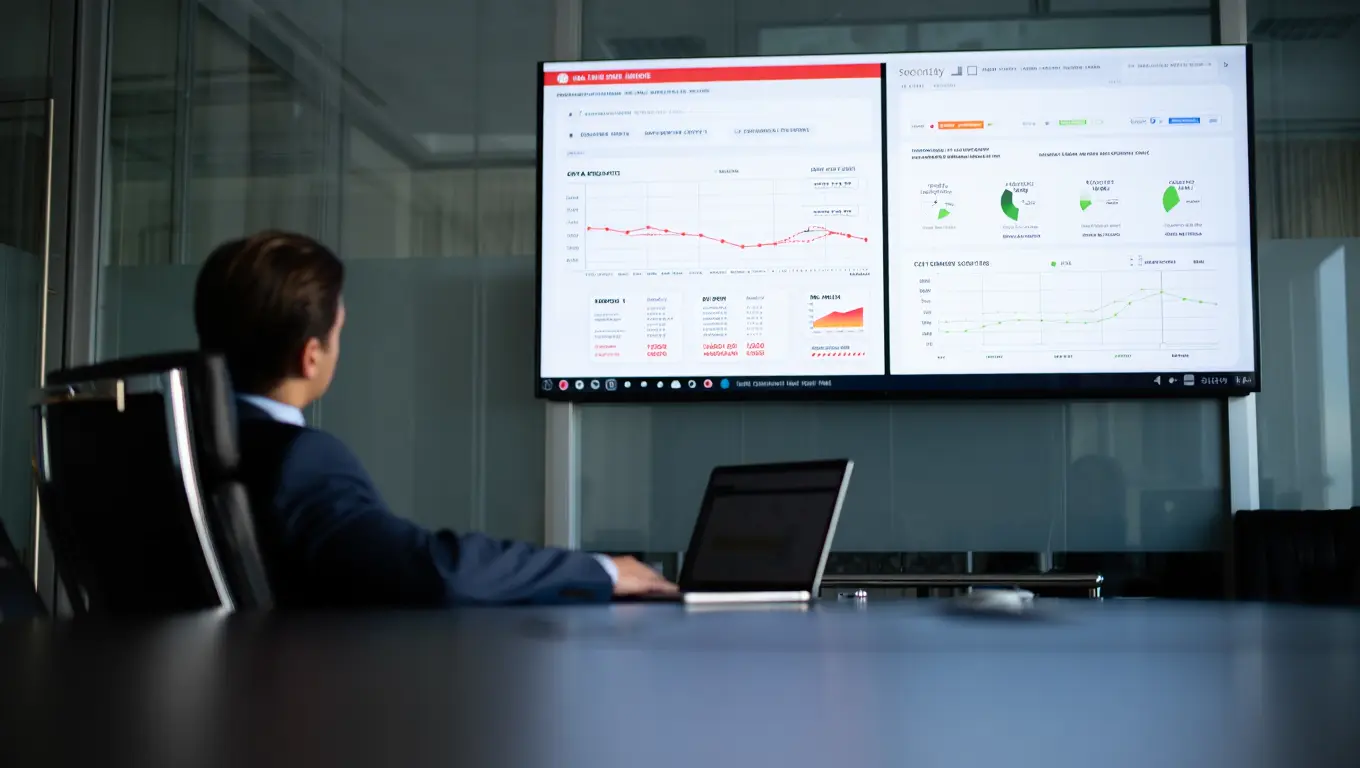
Cloud environments generate large volumes of activity data. Managed security tools analyse this data in real time, helping identify suspicious patterns that may indicate compromise. Early detection limits the potential impact of incidents.
Identity and Access Management in Cloud Systems
Identity is the primary security boundary in the cloud. Protecting usernames, passwords, and access tokens is essential. Weak authentication practices significantly increase the risk of unauthorised access.
Managed cloud security enforces structured access controls. Role-based permissions ensure users can only access what they need, while stronger authentication methods reduce the likelihood of credential misuse.
Protecting Data in Cloud Environments
Data protection remains a top priority for cloud-based systems. Sensitive information must be safeguarded whether it is stored, transmitted, or processed.
Managed security supports this by enforcing encryption standards, monitoring access to sensitive information, and supporting secure backup strategies. These measures reduce the risk of data exposure and support recovery if incidents occur.
Cloud Security and Regulatory Compliance
UK regulations require organisations to protect personal and sensitive data regardless of where it is stored. Hosting systems in the cloud does not reduce compliance obligations.
Managed cloud security helps meet regulatory expectations by ensuring controls such as access management, logging, and monitoring are consistently applied. This supports compliance with frameworks such as UK GDPR and industry standards.
Reducing Operational Risk Through Cloud Governance
Governance is essential for cloud security. Without clear policies and oversight, environments can become fragmented and difficult to secure.
Managed IT services establish governance structures that define how cloud resources are deployed, accessed, and reviewed. This clarity reduces risk and improves accountability across teams.
Supporting Business Agility Securely
One of the cloud’s greatest advantages is agility. New services can be deployed quickly, and resources can scale on demand. However, speed without security introduces risk.
Managed cloud security enables agility by ensuring new systems are protected from the outset. Security processes adapt to change rather than slowing it down, allowing businesses to innovate confidently.
The Cost of Inadequate Cloud Security
Cloud security failures often lead to the same consequences as other breaches: downtime, data exposure, regulatory scrutiny, and reputational damage. In some cases, the scale of cloud environments amplifies these effects.
Investing in managed security reduces these risks by addressing vulnerabilities early and limiting the impact of incidents. Over time, this supports greater operational stability.
Cloud Security as a Measure of Maturity
An organisation’s approach to cloud security reflects its overall IT maturity. Businesses that embed security into cloud management demonstrate foresight and responsibility. Those that rely on default settings or reactive fixes accept unnecessary risk.
Building Confidence in Cloud-First Environments
As cloud adoption continues to grow, security must evolve alongside it. Cloud security is no longer optional or separate from IT management. It is a core component of modern managed IT services, supporting resilience, compliance, and trust.
For UK businesses relying on cloud platforms, structured security provides confidence that systems are protected as environments change. Organisations reviewing their cloud security posture may find value in discussing their environment through the Lonsys contact page.
Take the Next Step With Managed IT Security Services
Protect Your Business With Trusted Managed IT Security Services
Cyber threats are a business reality for SMEs, but they do not need to be faced alone. Managed IT Security Services provide structured oversight, professional expertise, and continuous monitoring aligned with how smaller organisations operate.
If your organisation is reviewing its cybersecurity approach or seeking greater confidence in its defences, working with experienced Managed IT Security Services specialists can support informed decisions. Take action by reaching out through a professional contact form to discuss how managed security can support your business goals.
Contact Us Today