The Biggest Cyber Threats Facing UK Businesses (And How Managed IT Security Stops Them)
Cyber threats have become a persistent and unavoidable reality for UK businesses. As digital systems play a central role in daily operations, the risks associated with cybercrime have increased significantly. What were once isolated technical incidents are now business-level events capable of disrupting operations, damaging reputations, and undermining long-term growth. Understanding the most common cyber threats is essential for organisations that want to protect themselves effectively.
For many businesses, the challenge lies not in recognising that threats exist, but in understanding how those threats materialise and why traditional protections often fail. Cybercrime has evolved into a highly organised activity, supported by automation, data marketplaces, and sophisticated attack techniques. This has made modern cyber threats harder to detect, faster to deploy, and more damaging when left unchecked.
Why UK Businesses Are Increasingly Targeted
UK organisations are attractive targets for cybercriminals due to their high level of digital adoption and the value of the data they hold. Customer information, financial records, and intellectual property all present opportunities for exploitation. In addition, widespread use of cloud platforms and remote working has expanded the number of access points attackers can target.
Smaller organisations are particularly vulnerable. Attackers often assume that limited budgets and resources lead to weaker security controls. In practice, this assumption frequently proves correct, allowing attackers to gain access with minimal resistance. Once inside, they may extract data, deploy ransomware, or use the compromised system to target others.
The role of automation in modern attacks
Automation has transformed cybercrime. Attackers can now scan thousands of systems simultaneously, testing for exposed services, weak credentials, or unpatched vulnerabilities. This removes the need for manual targeting and significantly increases the scale of potential attacks. Businesses without continuous monitoring may be compromised without realising it.
Ransomware as a Business Disruptor
Ransomware remains one of the most disruptive threats facing UK businesses. These attacks encrypt systems and demand payment for their release, often accompanied by threats to leak stolen data. Ransomware incidents can halt operations instantly, preventing staff from accessing critical systems or data.
Beyond the ransom itself, recovery costs are often substantial. Restoring systems, investigating the breach, and managing reputational fallout can take weeks or months. In many cases, organisations discover that backups are incomplete or also compromised, prolonging recovery efforts.
Why ransomware continues to succeed
Ransomware succeeds because it exploits common weaknesses, including outdated software, exposed remote access services, and stolen credentials. Attackers do not rely on a single vulnerability, but instead chain multiple techniques together, increasing the likelihood of success against poorly defended environments.
Phishing and Credential Theft
Phishing attacks have become increasingly sophisticated, making them difficult to distinguish from legitimate communication. Messages are often personalised, reference real suppliers, or imitate internal communications. These tactics are designed to trick recipients into revealing login credentials or authorising fraudulent actions.
Once credentials are stolen, attackers can access systems without triggering traditional security controls. This allows them to move laterally through networks, access sensitive data, or prepare larger attacks.
The human factor in cyber risk
Human error remains one of the most exploited aspects of cybersecurity. Even well-trained employees can be caught off guard by convincing phishing attempts. Without layered security controls and monitoring, a single mistake can compromise an entire organisation.
Cloud Misconfigurations and Data Exposure
Cloud platforms have introduced new efficiencies, but they have also created new security challenges. Many cloud breaches occur not because of flaws in the platform itself, but due to misconfigurations. Publicly accessible storage, excessive user permissions, and weak identity controls are common issues.
These misconfigurations can expose sensitive data directly to the internet, often without the organisation’s knowledge. Because cloud services operate continuously, exposed data can be accessed at any time until the issue is identified and corrected.
Supply Chain and Third Party Risks
Modern businesses rely heavily on third-party suppliers and service providers. While these relationships improve efficiency, they also introduce risk. Attackers increasingly target suppliers as a way to access multiple organisations through a single compromise.
Supply chain attacks are particularly dangerous because they exploit trust. Once a supplier is compromised, malicious activity may appear legitimate, making detection more difficult. Businesses with limited visibility into third-party access are especially vulnerable.
Why Traditional Defences Are No Longer Enough
Traditional security tools such as antivirus software and perimeter firewalls still play an important role, but they are no longer sufficient on their own. These tools are often reactive and rely on known threat signatures, which limits their effectiveness against new or evolving attacks.
Modern threats require continuous monitoring, behavioural analysis, and rapid response capabilities. Without these elements, attackers can operate undetected for extended periods, increasing the impact of a breach.
How Managed Security Addresses These Threats
IT Security Services provide a structured and proactive approach to managing cyber risk. Rather than relying on isolated tools, managed security focuses on continuous protection across systems, users, and data. This approach enables earlier detection of suspicious activity and more effective containment of incidents.
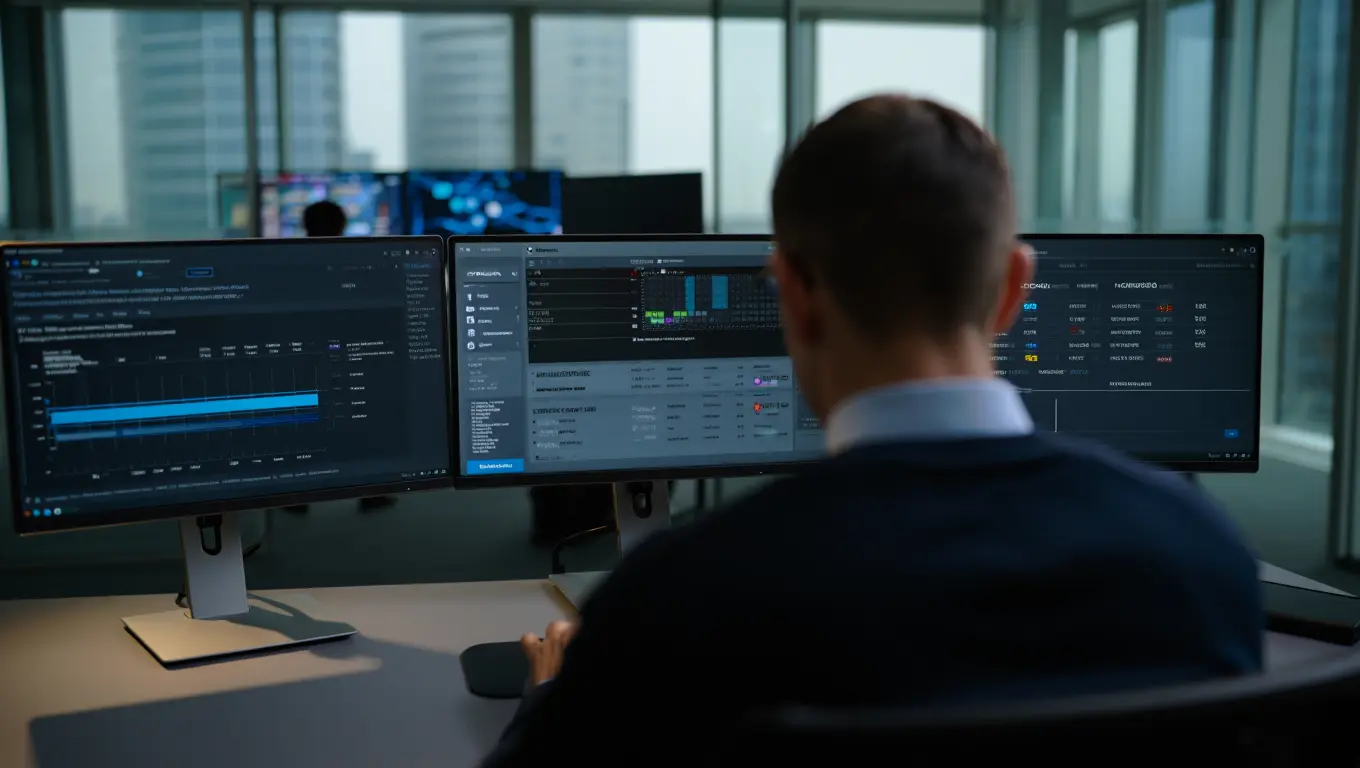
By monitoring environments around the clock, managed security reduces the time attackers have to exploit access. Vulnerabilities are identified and addressed systematically, reducing exposure to common attack techniques.
Consistency and accountability
Managed security introduces consistency into how security controls are applied and maintained. Policies are enforced uniformly, systems are reviewed regularly, and responsibility for security outcomes is clearly defined. This reduces gaps that often emerge in fragmented or ad hoc security models.
Cyber Threat Awareness as a Business Advantage
Understanding cyber threats is no longer just a defensive exercise. Businesses that actively manage risk are better positioned to operate with confidence, meet regulatory expectations, and maintain trust with customers and partners. Cybersecurity has become a visible indicator of organisational maturity.
Reducing Risk Through Structured Protection
The cyber threats facing UK businesses are complex, persistent, and increasingly damaging. Ransomware, phishing, cloud exposure, and supply chain attacks all exploit weaknesses that traditional security approaches struggle to address. Organisations that rely on minimal or reactive defences accept levels of risk that are increasingly difficult to justify.
A structured approach to security provides clarity and resilience in an unpredictable threat environment. Businesses that take cyber risk seriously demonstrate professionalism, stability, and long-term thinking. For organisations considering how these threats apply to their own environment, an initial discussion can begin by you getting in touch via our Lonsys contact page.
Take the Next Step With Managed IT Security Services
Protect Your Business With Trusted Managed IT Security Services
Cyber threats are a business reality for SMEs, but they do not need to be faced alone. Managed IT Security Services provide structured oversight, professional expertise, and continuous monitoring aligned with how smaller organisations operate.
If your organisation is reviewing its cybersecurity approach or seeking greater confidence in its defences, working with experienced Managed IT Security Services specialists can support informed decisions. Take action by reaching out through a professional contact form to discuss how managed security can support your business goals.
Contact Us Today